
Adenoma/Cancer Treatment in Hubli, Dharwad
Comprehensive Adenoma/ Cancer Treatment in Hubli, Dharwad, Advanced care for thyroid, adrenal, and pituitary tumors with expert endocrine guidance by
Dr. Sandeep Donagaon
Thyroid Cancer
Arising from the thyroid gland in the neck, this cancer includes several forms, each with distinct behavior and prognosis:
Papillary Thyroid Cancer: The most common and slow-growing type, often spreading to nearby lymph nodes but highly treatable with excellent outcomes.
Follicular Thyroid Cancer: Typically spreads through the bloodstream to the lungs or bones; still responds well to radioactive iodine therapy.
Medullary Thyroid Cancer: Originates from C-cells that produce calcitonin, a hormone regulating calcium levels; may occur sporadically or as part of genetic syndromes.
Anaplastic Thyroid Cancer: A rare but aggressive form that grows rapidly and requires immediate multidisciplinary care.
Adrenal Gland Tumors:
These tumors develop in the adrenal glands located above each kidney and can affect hormone production:
Adenomas: Usually benign and non-functioning, but some may secrete excess hormones such as cortisol or aldosterone, leading to conditions like Cushing’s syndrome or Conn’s syndrome.
Pheochromocytomas: Tumors that produce excess adrenaline and noradrenaline, often causing episodes of high blood pressure, palpitations, and sweating.
Adrenocortical Carcinomas: A rare but aggressive cancer that may overproduce multiple hormones, resulting in rapid weight gain, muscle weakness, or virilization in women.
Pituitary Tumors:
Pituitary tumors arise in the pea-sized gland at the base of the brain that regulates other hormone-producing glands:
Non-Functioning Adenomas: Do not secrete hormones but may grow large enough to cause headaches or vision problems by pressing on nearby structures.
Hormone-Secreting Tumors: Actively produce hormones such as prolactin, growth hormone, or ACTH, leading to disorders like prolactinomas, acromegaly, or Cushing’s disease.
Incidentalomas: Tumors discovered accidentally during brain imaging for unrelated reasons; most are small and monitored unless they show hormonal or structural effects.
Each of these cancers behaves differently, making accurate diagnosis and endocrine expertise essential for targeted therapy.
Let’s take a quick glance at the types of cancers fall under the hormone- producing category.
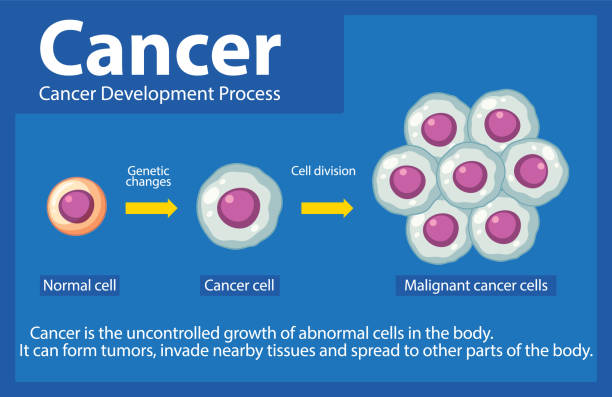
Hormone-based cancers originate from glands that produce vital hormones controlling growth, metabolism, and stress response. The main types include:

Cancer continues to be one of the biggest global health challenges, taking close to 10 million lives every year, as reported by the World Health Organization. Among the many types that affect people, there’s a lesser-known yet significant category called Adenoma/ Cancer of the hormone producing glands — cancers that originate in or are heavily influenced by the body’s hormone-producing glands.
These cancers behave differently from most others. They respond not just to traditional oncology treatments but also to subtle hormonal shifts happening inside the body. That’s where specialized endocrine expertise becomes crucial.
Dr. Sandeep Donagaon, a leading endocrinologist in Hubli and Dharwad, explains it well:
” Adenoma require more than conventional oncology. They demand a clear understanding of how the endocrine system communicates and regulates itself. Through advanced diagnostic methods and hormone modulation therapies, we can not only control tumor growth but also restore hormonal balance, improving long-term outcomes and quality of life.”
Hormones are the body’s messengers … but what happens when they send the wrong signals?
Understanding Adenoma/Cancer
Hormone-based cancers develop when hormone-producing glands begin to overproduce or underproduce certain hormones, creating an internal environment favorable to tumor formation. The causes can vary:
Hormonal Imbalance: Overstimulation or suppression of specific glands can result in cellular overgrowth.
Genetic Predisposition: Family history of thyroid or adrenal tumors increases risk.
Environmental Factors: Radiation, toxins, and certain medications can disrupt hormonal regulation.
Feedback Loop Failure: The body’s inability to regulate hormonal levels properly may allow unchecked cell proliferation.
Dr. Sandeep Donagaon, a proficient endocrine cancer specialist in Hubli, Dharwad, explains:
“When we approach cancer through the endocrine lens, we uncover the ‘why’ behind abnormal cell growth. The hormonal environment acts like fertile soil for tumors. By understanding these mechanisms, we can treat not just the tumor, but the root imbalance that fuels it.”
Noticing unusual symptoms like rapid weight changes, fatigue, or neck swelling? Consult an endocrine expert to identify underlying hormonal imbalances early.
Now, let’s explore how endocrinology contributes to their precise treatment.
Role of Endocrinology in Cancer Care
Endocrinology plays a central role in diagnosing, managing, and preventing hormone-induced cancers. Here’s how endocrine expertise helps in cancer care:
Accurate Diagnosis:
Endocrinologists identify whether a tumor is hormonally active or silent through targeted hormone testing.
Hormone Modulation Therapy:
Treatments aim to suppress or block the hormone driving cancer growth.
Managing Post-Surgical Hormone Imbalance:
After tumor removal, patients may need long-term hormone replacement therapy.

Monitoring for Recurrence:
Regular hormone assessments can detect early recurrence before structural changes appear on imaging.
Dr. Sandeep Donagaon, an adept endocrine oncologist in Hubli, Dharwad, notes:
“Successful cancer care isn’t only about removing the tumor — it’s about restoring the body’s equilibrium. By rebalancing hormones, we can prevent recurrence and enhance the patient’s overall health and resilience.”
But before starting any treatment, how do doctors determine whether a tumor is truly hormone-driven? Let’s look behind the scenes of the diagnostic process.
Diagnostic Evaluation and Hormonal Assessment
Diagnosing hormone-based a precise, layered process that examines both structure and function of the endocrine glands.
The diagnostic approach typically includes:
Hormone Blood Panels:
Measurement of thyroid, cortisol, prolactin, and other hormone levels to detect abnormalities.
Imaging Tests:
Ultrasound, MRI, or CT scans to visualize tumors within endocrine glands.
Fine Needle Aspiration Biopsy (FNAC):
Helps confirm malignancy in thyroid nodules or adrenal masses.

Dynamic Testing:
Assesses how glands respond to stimulation or suppression — key in identifying functional tumors.
These tests provide a 360-degree understanding of how the tumor interacts with the endocrine system.
Unexplained hormonal changes or persistent symptoms deserve attention. Consult an endocrinology specialist for a comprehensive hormonal evaluation.
Expertise and precision matter most when dealing with hormone-driven cancers. So, what makes this clinic the preferred choice for such specialized care?
Why Choose Dr. Sandeep Donagaon for Adenoma Treatment
Dr. Sandeep Donagaon, a highly experienced endocrinologist in Hubli, Dharwad, leads a patient-focused center that integrates endocrinology and oncology for complete cancer management.
Advanced Endocrine Expertise:
Specialized in diagnosing and treating hormone-induced cancers with precision.
Holistic Treatment Approach:
Focuses on balancing hormones, managing side effects, and improving quality of life.
Accurate Diagnostic Protocols:
Uses state-of-the-art hormone testing and imaging for early detection.
Collaborative Oncology Network:
Works with oncology and surgical teams for comprehensive care.

Personalized Hormone Modulation Therapy:
Tailors treatment to each patient’s hormonal profile.
Patient Education and Support:
Empowers patients to understand their condition and participate actively in recovery.
Proven Track Record:
Consistent outcomes with restored hormonal stability and improved cancer control rates.
Evidence-Based Practices:
Applies global standards of endocrine oncology for superior results.
Dr. Donagaon’s clinic embodies precision, compassion, and scientific excellence — ensuring each patient receives care aligned with the latest medical advances.
Struggling to control your sugar? Get expert care and a clear plan from a certified endocrinologist.
Still have questions about hormone-based cancers and their management? Here are some answers that can help clear your doubts.
Frequently Asked Questions
Are Adenoma hereditary?
Some, like medullary thyroid carcinoma or adrenal tumors, may have a genetic component. Genetic testing helps identify at-risk family members for early screening and prevention.
How are hormone-induced cancers different from other types of cancer?
They are driven by hormonal activity rather than solely genetic mutations. Managing the underlying hormonal imbalance is key to effective treatment.
Can hormonal chemotherapy be used for all endocrine cancers?
No. Hormonal therapy works best for tumors influenced by hormone signaling. Other endocrine tumors may require surgery, radiation, or targeted therapy instead.
What lifestyle changes help during Adenoma treatment?
A balanced diet, stress management, adequate sleep, and avoiding endocrine-disrupting chemicals (like BPA) can support recovery and hormonal balance.
What are the early warning signs of endocrine cancer?
Symptoms vary but may include unexplained fatigue, weight changes, persistent headaches, blood pressure fluctuations, or swelling in the neck or abdomen.
Experiencing unexplained hormonal changes or persistent fatigue? Don’t ignore the signs. Seek guidance from an endocrine specialist to detect and manage potential hormone-based cancers early.
Disclaimer: The information shared in this content is for educational purposes only and not for promotional use.