


Treatment for Adrenal Gland Tumors in Hubli Dharwad
The adrenal glands might be tiny, but they’re absolutely vital for making hormones that keep your metabolism, blood pressure, immune system, and stress response in check. When tumors pop up in these glands, things can go unbalanced fast; hormone production gets disrupted, and that can lead to some pretty serious health issues. Dr. Sandeep Donagaon stresses that catching adrenal gland tumors early and managing them properly is key to avoiding complications and getting hormones back on track.
“Many patients reach us after dealing with unexplained weight changes, stubborn high blood pressure, or just this ongoing tiredness,” says Dr. Donagaon. “But with the right diagnosis and a treatment plan that fits, most adrenal issues can be managed well.”
Dr. Sandeep Donagaon is a top endocrinologist in Hubli Dharwad with more than a decade’s experience handling tricky hormonal disorders like adrenal gland tumors. We handle everything from advanced diagnostics to up-to-date treatment plans for adrenal conditions. Our focus is on careful evaluation, accurate diagnosis, and truly personalised care for adrenal gland tumors in Hubli Dharwad, so patients get the best possible endocrine support.
What exactly are adrenal gland tumors and how do they differ? Let’s explore the various types you might encounter.
Types of Adrenal Gland Tumor
Adrenal gland tumors fall into several distinct categories based on where they start and what the cells look like. We usually sort these as benign or malignant, and each kind has its own quirks.
Adrenal Adenomas are the most common benign tumors. These are non-cancerous and grow from the adrenal cortex. Often, they don’t cause any symptoms many people only find out about them accidentally during scans for something else.
An aldosterone-producing adenoma (Conn Syndrome) is a non-cancerous tumor of the adrenal gland that leads to the overproduction of aldosterone and consequently causes hypertension and hypokalemia. The patients are likely to have headaches, tiredness, body aches, or urine output that is more than normal. The diagnosis is made through hormone blood tests along with the use of advanced imaging. When patients are fast-tracked for evaluation, Conn Syndrome, which is very treatable, can be managed by medication aimed at the specific target or through infiltration-free adrenal surgery that not only controls blood pressure but also enhances one’s general health condition.
Pheochromocytomas come from the adrenal medulla, the inner part of the gland. These tumors crank out too much adrenaline and noradrenaline, which can cause things like high blood pressure, a pounding heart, and a lot of sweating.
Adrenocortical Carcinomas are the rare but aggressive cancers of the adrenal cortex. They can spread quickly, so catching them early really matters.
Neuroblastomas mostly affect children and develop from immature nerve cells. These are cancerous and need fast diagnosis and treatment. How well a child does depends a lot on their age and how advanced the disease is.
|
Tumour Type |
Origin |
Nature |
|
Adrenal Adenomas |
Adrenal Cortex |
Benign |
|
Pheochromocytomas |
Adrenal Medulla |
Usually Benign |
|
Adrenocortical Carcinomas |
Adrenal Cortex |
Malignant |
|
Neuroblastomas |
Nerve Cells |
Malignant |
We also see incidentalomas tumors that show up by surprise during scans for unrelated problems. These need a closer look to figure out if they’re dangerous or just sitting there harmlessly.
How can you tell if you might have an adrenal tumor? Let’s delve into the warning signs your body might be showing.
Symptoms of Adrenal Gland Tumor
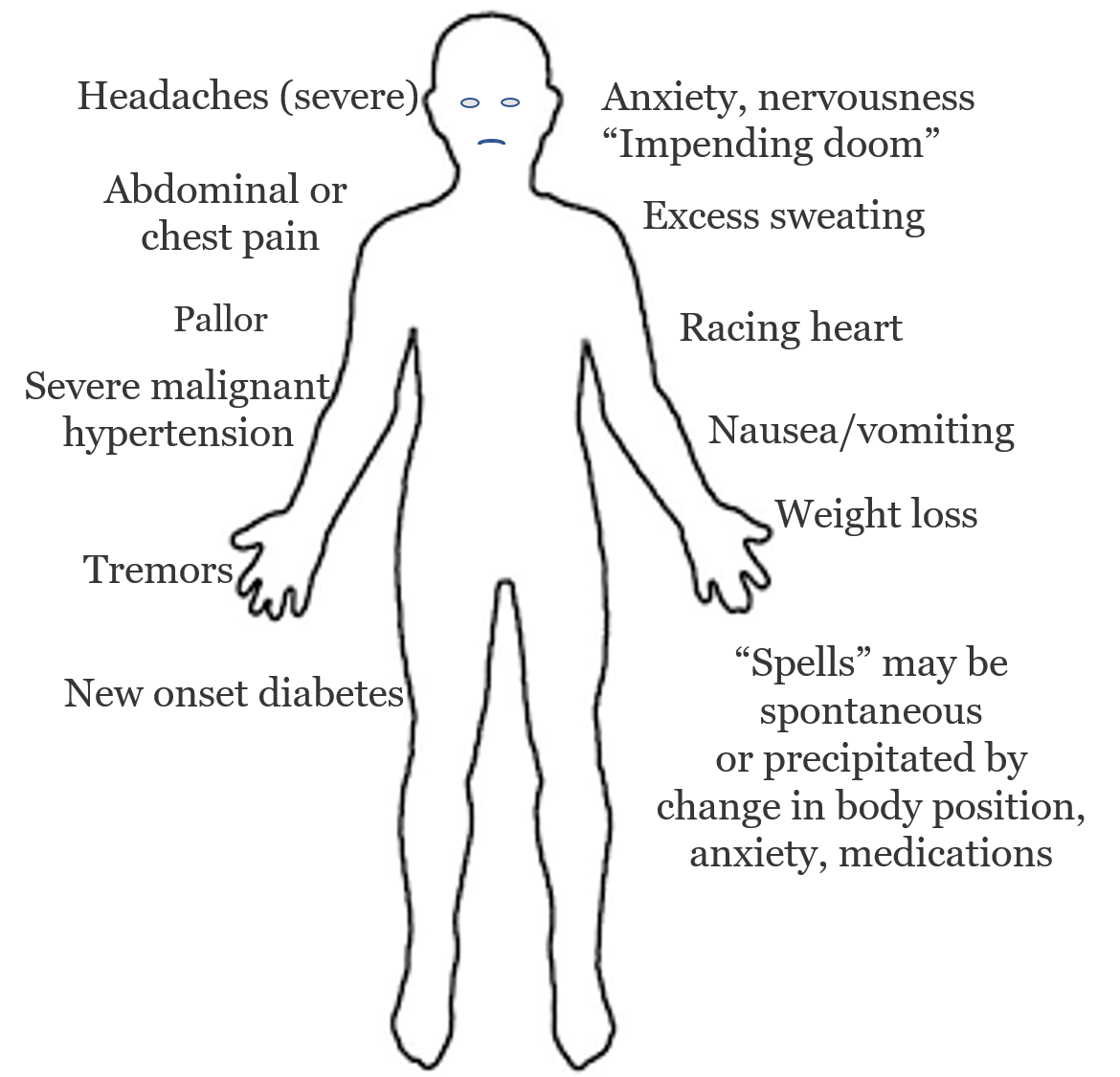
Many adrenal tumors mess with hormone production, leading to a range of symptoms. Some just get big enough to push on nearby organs, which can be uncomfortable.
Hormone-Related Symptoms:
- High blood pressure that doesn’t respond well to regular meds
- Unexpected weight gain, especially around your belly
- Excessive sweating and feeling flushed
- Heart racing or palpitations
- Muscle weakness, sometimes just general fatigue
- Feeling thirsty all the time and peeing more than usual
Some folks develop Cushing’s syndrome if a tumour makes too much cortisol. Think rounded face, purple stretch marks, and bruising easily.
Physical Symptoms:
- Ongoing pain in the abdomen or back
- Feeling full in your belly even if you haven’t eaten much
- Unexplained weight loss
- No appetite
Women might notice irregular periods, more facial hair, or a deeper voice. Men could see breast enlargement or lower libido. Kids with adrenal tumours sometimes show early puberty or changes in their genital development.
Interestingly, about half of adrenal tumours don’t cause obvious symptoms at first—they’re just found by chance on scans. Symptoms really depend on whether the tumour is making extra hormones or not, and also its size and where it’s sitting.
If you’re experiencing symptoms of hormonal imbalance, Book a consultation with Dr. Sandeep Donagaon today for expert evaluation and personalised treatment.
What tests will your doctor use to identify adrenal problems? Let’s discuss the diagnostic tools that provide clear answers.
Diagnostic Tests for Adrenal Gland Tumor
If we suspect an adrenal tumor, we’ll start with a good chat about your symptoms and a physical exam. We also ask about your family history—sometimes that matters more than you’d think.
Blood and Urine Tests
Hormone tests are key. We check for specific hormones to see if the tumor is pumping out extra stuff:
- Cortisol– checked with 24-hour urine, saliva, and sometimes an overnight dexamethasone suppression test
- Aldosterone and renin– for tumors that mess with salt balance
- DHEAS and testosterone– if we think the tumor is making androgens
- Oestrogen– tested if there are signs of excess oestrogen
These can catch abnormal hormone levels even before you feel off.

Imaging Studies
We use advanced imaging to see what’s going on:
CT scans
CT scans help us figure out the size, shape, and density of the tumor. If it’s bigger than 4 cm or has an odd shape, we get more suspicious. Density matters too—under 10 Hounsfield units usually means it’s benign.
MRI scans
MRI scans give clearer images of soft tissue and don’t use radiation. They’re handy for telling benign from malignant tumors.
PET scans
PET scans show us if the tumor has spread outside the adrenal glands.
Biopsy Considerations
We usually skip biopsies before surgery if we suspect adrenal cancer, since imaging and hormones tell us most of what we need. Biopsies are only for special cases, like when we’re not sure if it’s spread from somewhere else.
What treatment options exist for adrenal gland tumors? Let’s discover the approaches that can restore your hormonal balance.
Treatment Options for Adrenal Gland Tumor
Choosing the right treatment depends on the tumor’s type, size, whether it’s making hormones, and if it’s benign or malignant. We always try to match the plan to your unique situation and overall health.
Surgical Intervention
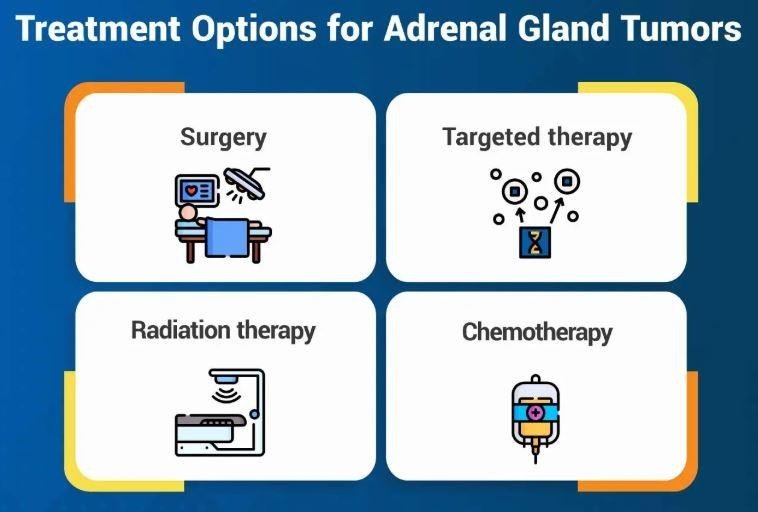
Surgery is the main treatment for most adrenal tumors. An adrenalectomy (removing the gland) is often done with minimally invasive techniques for smaller tumors. Bigger or trickier tumors might need open surgery. If the cancer has spread to nearby organs, partial removal of the affected surrounding tissues may also be required. While challenging, this approach is sometimes essential to achieve complete disease control.
Medical Management
If the tumor is making too many hormones, we use medications to control things and help with symptoms. This is especially important if you’re waiting for surgery or can’t have an operation right away.
Advanced Treatment Options
When surgery isn’t possible, or if cancer has spread, we look at other therapies:
- Chemotherapy– drugs that attack cancer cells
- Radiation therapy– high-energy beams to target leftover cancer or ease symptoms
- Immunotherapy– helps your immune system fight cancer
- Mitotane– a specialised drug for advanced adrenal cancer
- Tumor ablation– uses heat or cold to destroy tumors when surgery isn’t an option
Want to talk about your adrenal health? Reach out to Dr. Sandeep Donagaon’s clinic in Hubli Dharwad and set up a consultation to start your personalised treatment plan.
When should you consult a hormone specialist for your symptoms? Let’s explore the signs that indicate it’s time to see an endocrinologist.
When to See an Endocrinologist?
If you’ve got symptoms that hint at hormonal imbalance or adrenal problems like unexplained weight changes, constant tiredness, being thirsty all the time, peeing a lot, or weird blood pressure swings it’s probably time to see an endocrinologist.
Your regular doctor might send you our way if they think you have an adrenal tumor, thyroid issue, tough-to-manage diabetes, or if your blood tests show odd hormone levels.
Key symptoms to watch for:
- Unexplained weight loss or gain
- Too much or too little hair growth
- Muscle weakness
- Heart rate changes
- Mood swings or depression
- Brittle bones or fractures
Specialists with advanced training, like a DM in Endocrinology, have the expertise to untangle complicated hormone issues. That extra training means they know their stuff when it comes to endocrine disorders.
If you’ve got a family history of hormone problems, or your screening tests turn up something odd in your adrenal glands, don’t wait getting checked early can really help. And if you’re dealing with several unexplained symptoms that mess with your energy, metabolism, or just how you feel day-to-day, an endocrinologist can help sort things out and offer a treatment plan that actually fits you.
What makes our approach to adrenal care different? Let’s delve into the expertise and experience we bring to your treatment.
Why Choose Dr. Sandeep Donagaon
Individualised treatment plans that actually fit each patient
Clear, honest conversations and thorough patient education
Board-certified specialist with UK credentials

We make it a point to listen to our patients and create treatment strategies that reflect their needs. Our goal is to keep things understandable so patients feel confident about their choices. It’s a way of working that leads to better outcomes for adrenal gland tumors and other endocrine problems.
How do we ensure the best outcomes for adrenal patients? Let’s examine our comprehensive treatment philosophy.
Our Approach to Adrenal Gland Tumor Treatment
We start with a thorough diagnostic evaluation every time. That means detailed imaging and hormone tests to figure out if the tumor is benign or malignant, and whether it’s pumping out extra hormones.
Treatment always depends on the patient. We look at tumor size, hormone production, and whether it’s cancer. If the tumor is benign and not causing trouble, sometimes just watching it closely is the best move.
When surgery is needed, we team up with experienced surgeons for adrenalectomy, removing the affected gland. The method depends on the tumor’s size and where it’s hiding.
Our treatment steps include:
Pre-operative hormone management
Collaboration with surgical specialists
Hormone replacement therapy after surgery, if necessary
Regular follow-up checks to monitor recovery
Managing any hormone imbalances that pop up

We prefer minimally invasive techniques when possible; they usually mean less pain and faster recovery. For malignant tumors, we coordinate with other specialists if radiation or chemotherapy is needed.
We make sure to keep you in the loop throughout. You’ll know what’s happening, and you’ll have the support to make decisions about your care.
Have concerns about your adrenal health? Contact Dr. Sandeep Donagaon in Hubli Dharwad for expert evaluation and a tailored treatment plan.
Still have questions about adrenal tumors and treatment? Let’s address the most common queries our patients ask.
Frequently Asked Questions
What are the recommended treatments for adrenal gland tumor?
Treatment for adrenal gland tumors depends on the tumor type, size, and hormone activity, and may include regular monitoring, medications to control hormone levels, or surgical removal when the tumor is functional or growing.
Which symptoms indicate the necessity of consulting an endocrinologist for adrenal gland issues?
Unexplained high blood pressure, sudden weight gain, muscle weakness, palpitations, sweating, or anxiety attacks can signal adrenal tumors. Persistent fatigue, low blood pressure, skin darkening, salt cravings, or hormonal changes in women should also be evaluated.
How is the effectiveness of treatment for adrenal gland tumors monitored by endocrinologist?
Follow-up includes regular blood and urine tests to monitor hormone levels, along with CT or MRI scans to track tumor response or recurrence. Blood pressure, blood sugar, and medications are adjusted based on results and symptoms.
Are there any minimally invasive surgical options for adrenal gland tumors?
Endocrinologist works with surgeons to perform laparoscopic adrenalectomy when suitable, offering faster recovery through minimally invasive surgery. The surgical approach depends on the tumor’s size, location, and cancer risk.
What can you do at home to help your treatment for adrenal gland tumors?
Diet and lifestyle changes are tailored to the hormone imbalance, such as limiting salt, monitoring potassium, and ensuring adequate protein. Moderate exercise, stress management, and avoiding stimulants like caffeine may also help manage symptoms.
How frequently should patients follow up with an endocrinologist after treatment for adrenal gland tumors?
After treatment, close follow-ups are needed every 3–6 months in the first year with blood tests and imaging to monitor hormone levels and recovery. Later, visits usually reduce to once or twice a year, with lifelong follow-up for patients on hormone replacement.