
Insulin resistance is a metabolic condition where the body’s cells no longer respond properly to insulin, the hormone that regulates blood sugar. As a result, glucose builds up in the bloodstream, increasing the risk of prediabetes, type 2 diabetes, and other metabolic disorders. Common symptoms include fatigue, sugar cravings, abdominal weight gain, and difficulty losing weight. Early intervention is essential because insulin resistance often develops silently before serious health complications arise. The good news is that with the right approach, many people can reverse insulin resistance through lifestyle changes and natural strategies.

According to Dr. Sandeep Donagaon, an eminent endocrinologist in Hubli Dharwad:
“Insulin resistance is not just about blood sugar. It is closely linked to lifestyle, nutrition, sleep patterns, and stress levels. When these factors are corrected, the body can regain its sensitivity to insulin.” Natural strategies, including dietary changes, physical activity, and weight management, can significantly improve metabolic health.
At Dr. Sandeep’s Superspeciality Centre, Dr. Donagaon offers specialized guidance for metabolic conditions. His expertise focuses on evidence-based care that combines modern medical science with practical lifestyle strategies. Through personalized evaluation and insulin resistance natural treatment, he helps patients regain metabolic balance and reduce long-term health risks.
Wondering why doctors talk so much about insulin resistance? Let’s explore why this condition deserves serious attention.
What Is Insulin Resistance and Why Should You Take It Seriously?
Insulin resistance occurs when the body’s cells become less responsive to insulin. Normally, insulin helps glucose enter the cells to be used as energy. But when resistance develops, the pancreas produces more insulin to compensate. Over time, this overload can lead to high blood sugar levels and eventually type 2 diabetes.
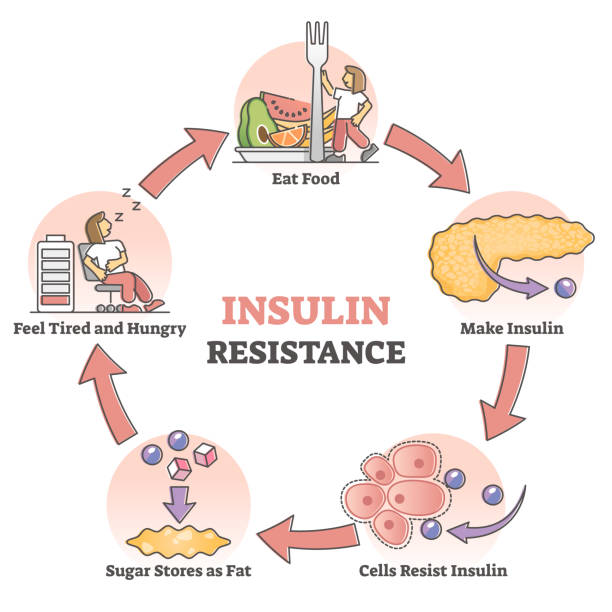
This condition is strongly associated with:
Prediabetes
Polycystic Ovary Syndrome (PCOS)
Cardiovascular diseases
“If left untreated, insulin resistance can quietly damage the body’s metabolic balance. Early detection and lifestyle adjustments are crucial to reverse insulin resistance before complications arise,” highlights Dr. Sandeep Donagaon.
Curious about what actually triggers insulin resistance? Let’s discuss the key causes that often go unnoticed.
Root Causes of Insulin Resistance You Must Address
There are various causes of insulin resistance and it is very important to address them for effective treatment.
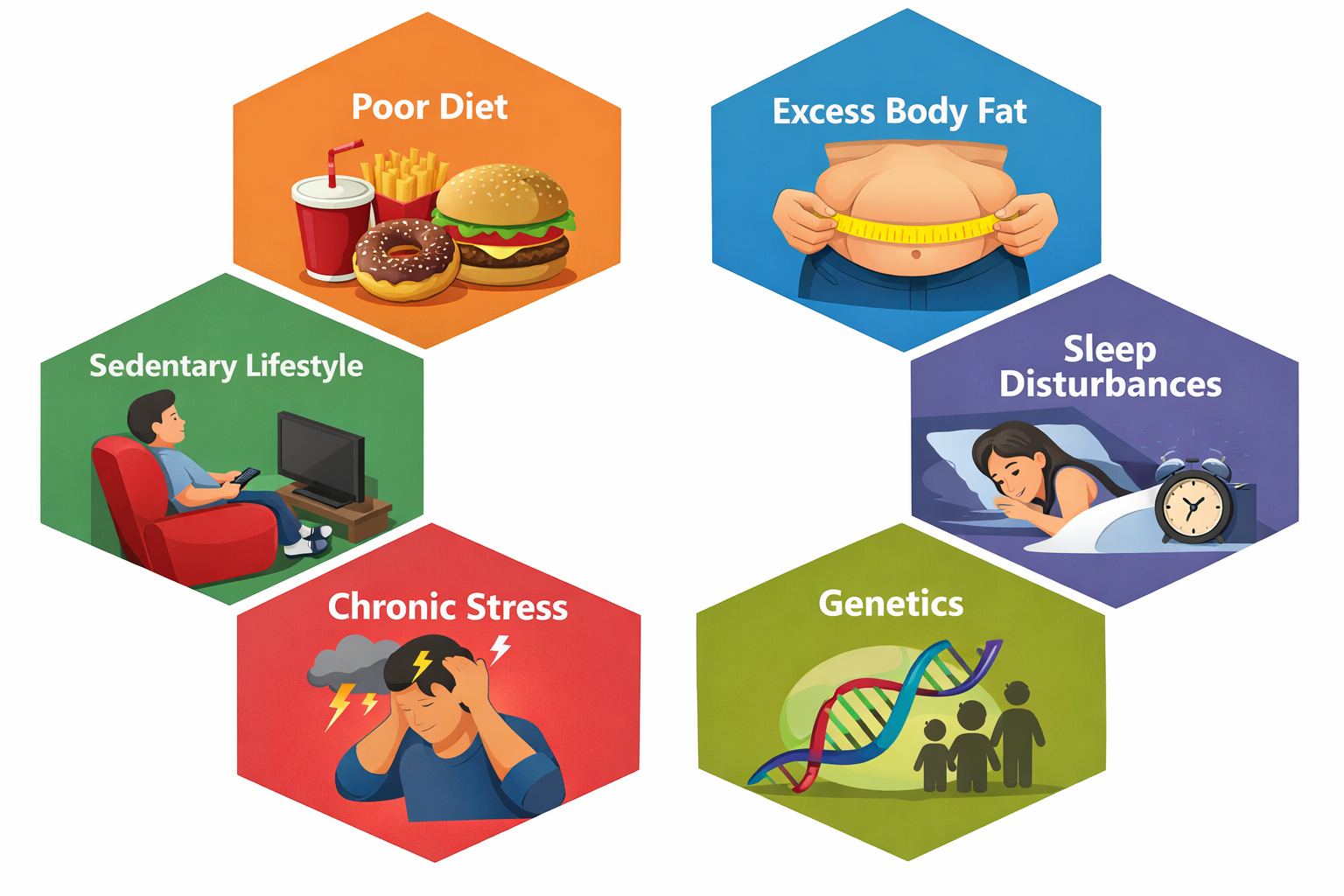
Poor Dietary Habits
Frequent consumption of processed foods, sweet drinks and refined carbohydrates can increase blood sugar levels, forcing the body to produce insulin in excess amounts.
Excess Body Fat
Abdominal fat is closely associated with insulin resistance since fat cells produce inflammatory compounds that disrupt insulin signalling.
Sedentary Lifestyle
Physical inactivity decreases body’s capacity to use glucose, with increased insulin resistance over time.
Chronic Stress
Long-term stress increases cortisol levels, which can disrupt insulin sensitivity and promote weight gain.
Sleep Disturbances
Sleep deprivation and poor sleep quality may affect glucose metabolism and increase insulin resistance.
Genetic Factors
There are people who might be genetically inclined toward the development of insulin resistance, especially if there is a family history of diabetes.
Understanding these causes helps create a targeted strategy for insulin resistance natural treatment.
Identifying the root cause is the first step toward recovery. Connect with a specialist to evaluate your metabolic health and create a personalized plan.
Looking for natural ways to restore insulin sensitivity? Let’s explore proven approaches that can help reverse the condition safely.
Natural Treatment Options to Reverse Insulin Resistance
Natural strategies focus on improving the body’s metabolic function rather than relying solely on medications.
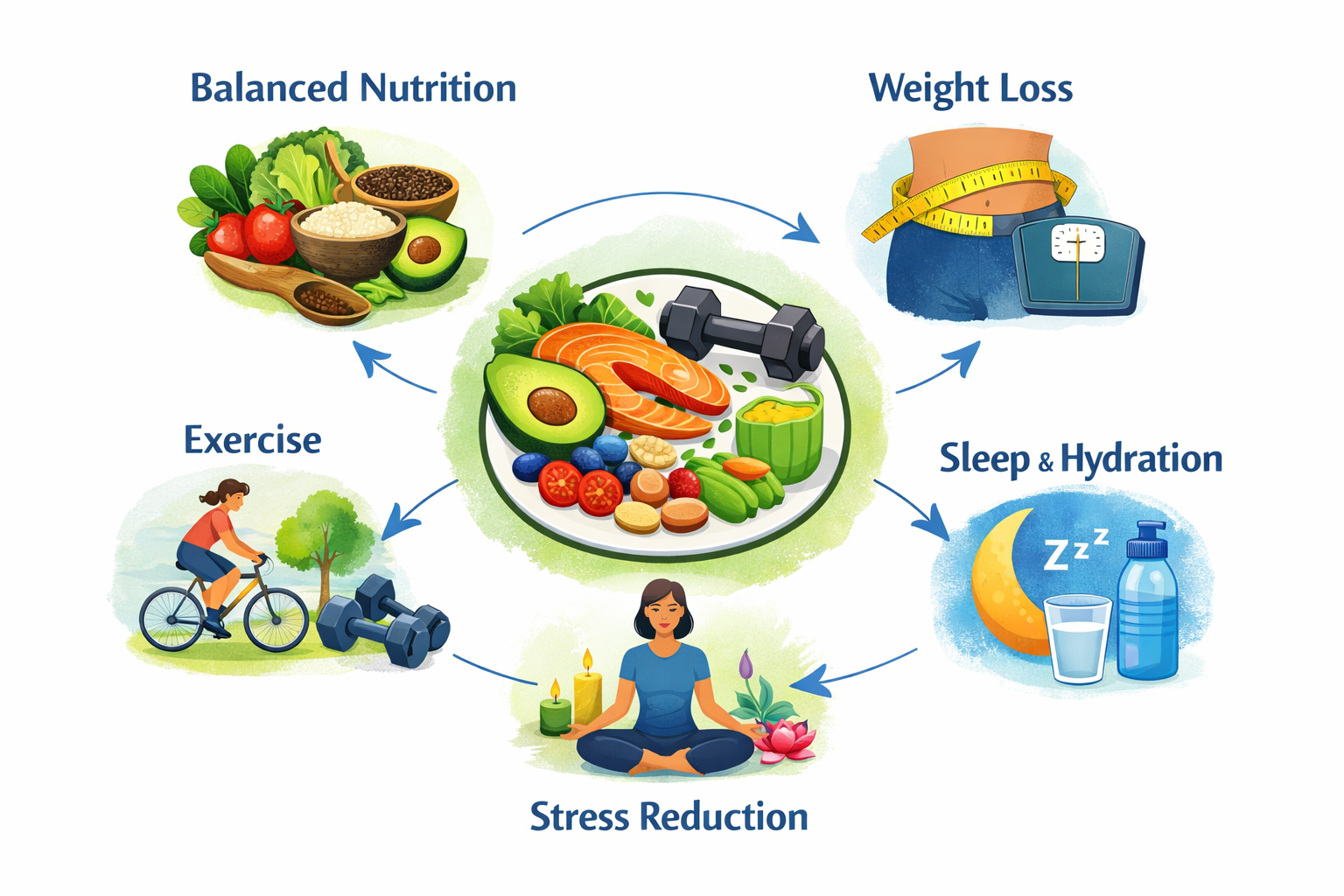
Balanced Nutrition
Blood sugar levels can be controlled by adopting a whole-food diet high in fiber, lean proteins and healthy fats.
Natural Insulin Foods
Certain foods naturally improve insulin sensitivity, including:
- Leafy green vegetables
- Nuts and seeds
- Whole grains
- Fatty fish
- Berries
- Legumes
These are natural insulin foods that stabilize the blood sugar levels and minimize inflammation.
Weight Management
Even a small amount of weight loss of 5-10% body weight can be very helpful in enhancing insulin sensitivity.
Regular Physical Activity
Exercise helps muscles absorb glucose more effectively, reducing insulin resistance.
Stress Reduction
Meditation, yoga, and breathing exercises are techniques that aid hormonal regulation and metabolism.
According to Dr. Sandeep Donagaon, consistent lifestyle modifications can often reverse insulin resistance and decrease the reliance on long-term medication.
Confused about what foods help or worsen insulin resistance? Let’s explore a practical dietary approach.
Diet Plan for Insulin Resistance: What to Eat and What to Avoid
Diet plays a critical role in improving insulin sensitivity.
Foods to Include
Foods to Avoid
Whole vegetables
Lean proteins such as fish and poultry
Healthy fats like olive oil and nuts
Low-glycemic fruits such as berries
Whole grains and legumes
These foods provide steady energy and support metabolic balance.
Sugary beverages
Processed snacks
Refined flour products
Deep-fried foods
Excess alcohol
Reducing these foods prevents repeated spikes in blood sugar and insulin levels.
Foods to Avoid
Lean proteins such as fish and poultry
Healthy fats like olive oil and nuts
Low-glycemic fruits such as berries
Whole grains and legumes
Sugary beverages
Processed snacks
Refined flour products
Deep-fried foods
Excess alcohol
Reducing these foods prevents repeated spikes in blood sugar and insulin levels.
A structured meal pattern with balanced macronutrients helps the body maintain stable glucose levels throughout the day.
Did you know daily habits can significantly influence insulin sensitivity? Let’s explore lifestyle changes that support recovery.
Lifestyle Changes That Support Natural Reversal
Regular Exercise
Aerobic exercises in addition to strength training, enhance glucose utilization and insulin sensitivity.
Adequate Sleep
Adequate sleep helps regulate hormones and metabolism by getting 7-8 hours of good sleep each night.
Stress Management
Chronic stress disrupts hormonal regulation. Relaxation practices can help restore balance.
Hydration
Proper hydration supports metabolic processes and helps regulate appetite.
Consistency in Daily Routine
Maintaining consistent meal times and sleep schedules helps stabilize insulin levels.
When these lifestyle strategies are implemented consistently, many individuals experience significant improvements in metabolic health.
Conclusion: Can Insulin Resistance Be Reversed Naturally?
In many cases, insulin resistance can be significantly improved and even reversed through lifestyle changes. Balanced nutrition, regular exercise, stress management, and proper sleep all contribute to restoring insulin sensitivity. However, every individual’s metabolic profile is different.
Professional evaluation ensures that treatment strategies are safe, effective, and tailored to personal health conditions. Under the guidance of an experienced endocrinologist like Dr. Sandeep Donagaon, patients can adopt sustainable lifestyle strategies and achieve long-term metabolic health.
Ready to take control of your metabolic health? Speak with a specialist about personalized insulin resistance natural treatment options.
Frequently Asked Questions
How long does it take to reverse insulin resistance naturally?
With consistent lifestyle changes, improvements can be seen within a few months, though full reversal may take longer depending on individual health factors.
Can insulin resistance be reversed without medication?
Yes, many people can reverse insulin resistance through diet, exercise, and lifestyle changes, although medical guidance is recommended.
Is insulin resistance the same as diabetes?
No. Insulin resistance is an early metabolic condition that can lead to type 2 diabetes if left untreated.
Does weight loss alone cure insulin resistance?
Weight loss helps significantly, but combining it with dietary improvements, exercise, and lifestyle changes provides better long-term results.
What is the best exercise for insulin resistance?
A combination of strength training and aerobic exercise is most effective for improving insulin sensitivity.
Reference links:
- https://medicine.yale.edu/news-article/how-to-reverse-insulin-resistance/
- https://www.medicalnewstoday.com/articles/323027
Disclaimer: The information shared in this content is for educational purposes and not for promotional use.