
You may have just got a scan report mentioning a “nodule” or a “mass” in a gland. Or one doctor said the word “adenoma” while another hinted it could be something more. The line between adenoma and adenocarcinoma is one of the most common sources of anxiety for patients walking into an endocrinology clinic. The two words sound almost identical, yet they describe very different conditions, with very different treatment paths, and getting the right adenoma cancer treatment in Hubli Dharwad starts with knowing exactly which one you are dealing with.
Dr. Sandeep Donagaon, one of the most trusted Endocrinologist in Hubli, Dharwad, at Dr. Sandeep’s Superspeciality Centre, sees patients every week who arrive worried about a recent scan, a family history of cancer, or a suspicious lump, and helping them separate fact from fear is part of the daily work.
“Most patients who come in with a gland tumor report are scared, and rightly so. But not every growth is cancer. The job of an endocrinologist is to tell the difference clearly, with the right tests, and to give the patient a plan they can actually trust.“
— Dr. Sandeep Donagaon, Endocrinologist, Dr. Sandeep’s Superspeciality Centre, Hubli
Worried about a recent scan or a lump in your thyroid, adrenal, or pituitary gland? Get a clear answer from a specialist before you spend another night worrying.
What Is an Adenoma?
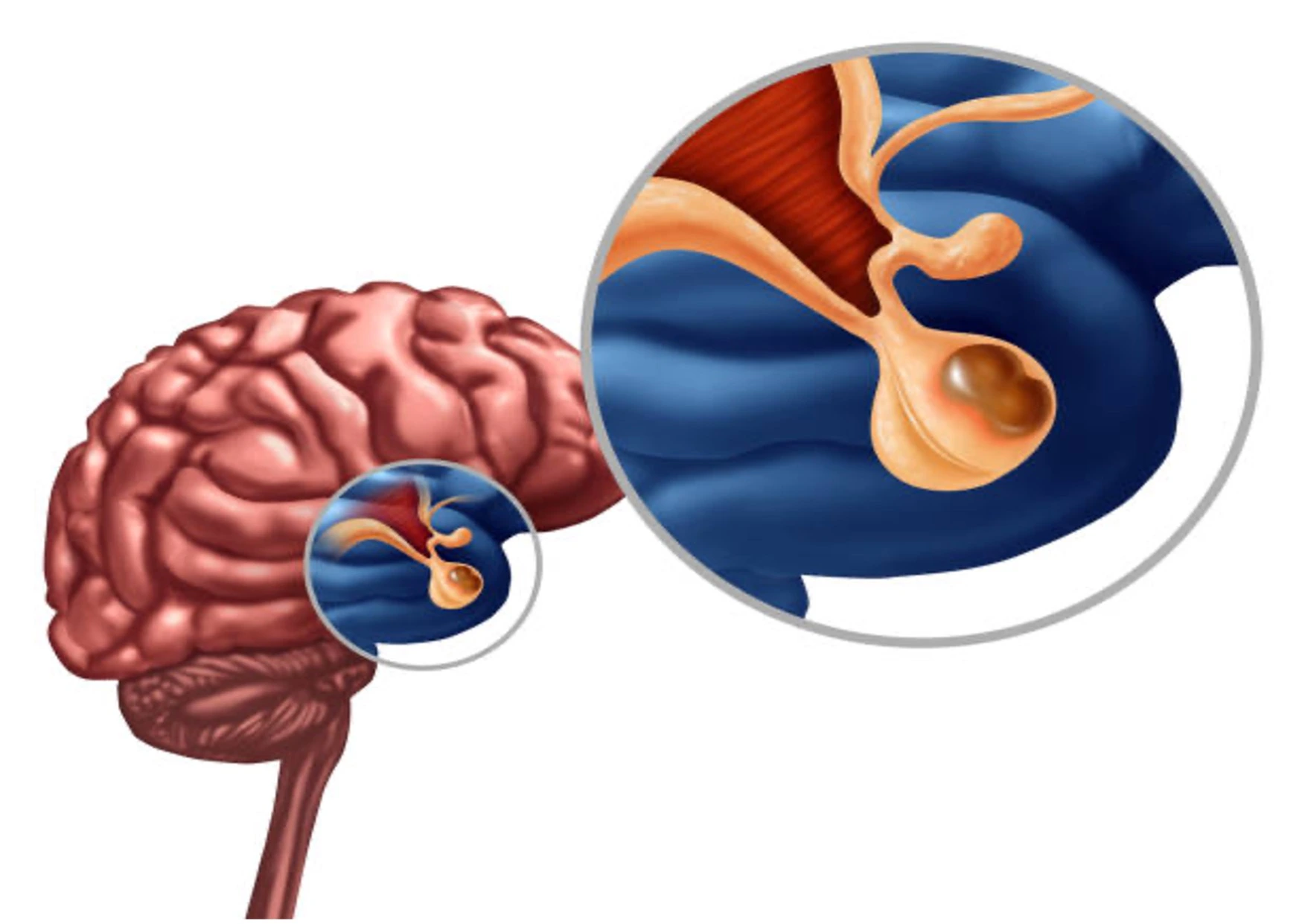
An adenoma is a benign tumor. It grows from glandular epithelial cells, the cells that line organs and produce hormones or fluids. Adenomas grow slowly, stay in place, and do not invade surrounding tissue or spread.
Some adenomas are silent and turn up by chance on a scan ordered for something else. Doctors call these incidentalomas. Others are functional, meaning they secrete hormones the body did not ask for. A pituitary adenoma can raise prolactin or growth hormone. An adrenal adenoma can push up cortisol or aldosterone, and dedicated treatment for adrenal gland tumors is available for patients in this category. A thyroid adenoma can produce extra thyroid hormone and trigger hyperthyroidism.
Benign does not always mean harmless. Hormone overproduction can cause hypertension, weight gain, fatigue, mood shifts, and bone loss. A large adenoma can also press on nearby structures and cause local symptoms.
What Is an Adenocarcinoma?
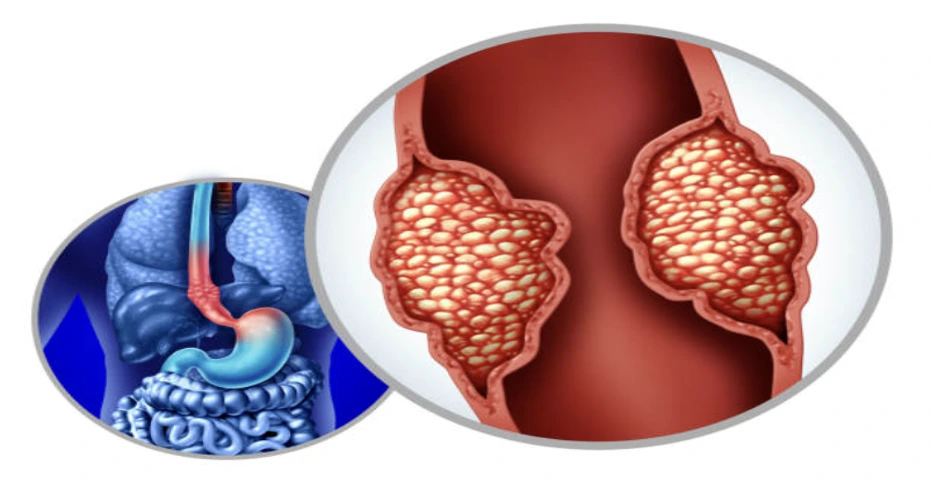
An adenocarcinoma is a malignant tumor. Same starting point as an adenoma, glandular cells, but the behaviour is very different. These cells multiply without control, break through tissue boundaries, invade vessels and nearby organs, and can travel to distant parts of the body through the blood or lymph.
Adenocarcinomas make up a large share of common cancers worldwide. Colon, breast, prostate, pancreatic, and most lung cancers fall under this category. The most common forms of thyroid cancer, papillary and follicular, also belong here.
Symptoms depend on location. A persistent cough or chest pain in lung cases. Bowel changes or blood in stool with colon adenocarcinoma. A new lump, hoarseness, or trouble swallowing in thyroid cancer. Unexplained weight loss and ongoing fatigue can show up regardless of the primary site.
Adenoma vs Adenocarcinoma: Core Differences
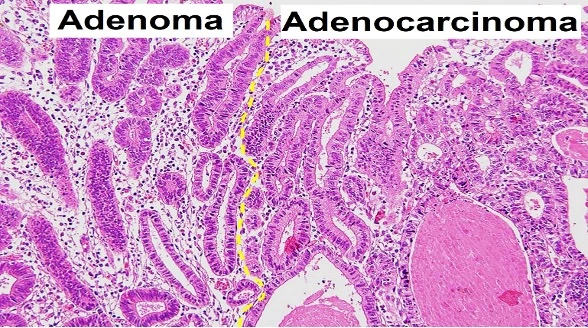
Even though both grow from glandular cells, they behave very differently. Here is how doctors tell them apart.
Cell behaviour:
Adenoma cells look close to normal under a microscope, with boundaries intact. Adenocarcinoma cells look disorderly, with larger nuclei, irregular shape, and chaotic arrangement.
Growth pattern:
Adenomas grow slowly, often over many years, and many never cause real trouble. Adenocarcinomas grow faster and disturb the tissue around them.
Spread (metastasis):
Adenomas stay local. Adenocarcinomas can move to distant sites like the liver, lungs, bones, or brain. Once spread occurs, treatment gets harder.
Hormonal activity:
Functional adenomas tend to overproduce hormones in a measurable way. Adenocarcinomas may also secrete hormones, but they cause most of their damage through invasion and tissue destruction.
How Are They Diagnosed?
The workup overlaps for both, but ends with one clear question. Benign or malignant?
- Blood tests check hormone levels, tumor markers, and overall health
- Imaging (CT, MRI, ultrasound, PET scan) shows size, shape, edges, and signs of invasion
- Fine-needle aspiration or core biopsy provides tissue
- Histopathology, the microscopic study of cells, gives the final answer
For glands like the thyroid or breast, irregular margins, microcalcifications, or increased blood flow on imaging raise suspicion for cancer. Patient guides from the National Cancer Institute and Cleveland Clinic cover staging and diagnostic tools in detail.
“A scan can tell us a lot, but it cannot tell us everything. The final answer in adenoma vs adenocarcinoma almost always comes from the pathology report. That is why the right biopsy at the right time matters so much.“
— Dr. Sandeep Donagaon
Treatment Approaches
Treatment depends on whether the tumor is benign or malignant, and on its size, location, and hormonal activity. Here is how each path usually looks.
Adenoma treatment:
Small, non-functional adenomas may only need observation, with periodic imaging and labs every six to twelve months. Functional adenomas usually need medication, minimally invasive surgery, or hormone blockers, based on the gland involved. Laparoscopic adrenalectomy works well for adrenal adenomas. Most pituitary tumors treatment is done through transsphenoidal surgery via the nasal route, with hormone correction handled in parallel.
Adenocarcinoma treatment:
Cancer care is multimodal. Surgery to remove the tumor and affected lymph nodes is usually the first step. Chemotherapy, radiation, hormone therapy, or targeted drugs may follow, based on tumor type and stage. For thyroid cancers, thyroid cancer treatment typically combines surgery with radioactive iodine therapy and lifelong thyroid hormone replacement. Genetic testing and tumor profiling now help match patients to therapies more likely to work for their specific tumor biology.
Whether your scan shows a thyroid nodule, an adrenal mass, or a pituitary growth, the right next test makes all the difference. Talk to an expert in glandular tumors today.
Adenoma and Adenocarcinoma Care in Hubli Dharwad by Dr. Sandeep Donagaon
Endocrine tumors need a specialist who handles them every week, not occasionally. Dr. Sandeep Donagaon at Dr. Sandeep’s Superspeciality Centre in Hubli has years of focused experience in glandular tumors, thyroid cancer, and hormonal imbalances. Patients across Hubli, Dharwad, Belagavi, Gadag, Haveri, Davangere, and the wider North Karnataka region come to the centre for clear diagnosis, second opinions on biopsy reports, and structured treatment planning. Complete hormonal treatment in Hubli Dharwad is also available for patients whose adenomas are causing hormone imbalances, and online consultations are offered for those who want a specialist review of their scan and biopsy reports before deciding next steps.
You should not have to travel far for expert endocrine care. If your scan, biopsy, or symptom points to a possible gland tumor, speak to a specialist who handles these cases every week.
Frequently Asked Questions
1. What is the main difference between an adenoma and an adenocarcinoma?
An adenoma is a benign (non-cancerous) tumor that grows from glandular cells and stays in place. An adenocarcinoma is a malignant (cancerous) tumor that grows from the same kind of cells but invades nearby tissue and can spread to distant organs.
2. Can an adenoma turn into an adenocarcinoma?
Most adenomas stay benign for life. A small number, especially certain colon polyps and some large adrenal or pituitary adenomas, can develop cancerous changes over time. Regular monitoring helps catch this early.
3. How do doctors confirm whether a tumor is adenoma or adenocarcinoma?
A combination of blood tests, imaging (CT, MRI, ultrasound, PET), and a biopsy with histopathology is used. The microscopic study of cells is the final answer, not the scan alone.
4. Is surgery always required for adenoma or adenocarcinoma?
Not always. Small, non-functional adenomas may be monitored. Functional adenomas and most adenocarcinomas need surgery, often combined with other treatments in cancer cases.
5. Who is the best endocrinologist for adenoma and adenocarcinoma in Hubli Dharwad?
Dr. Sandeep Donagaon at Dr. Sandeep’s Superspeciality Centre, Hubli, is a highly experienced endocrinologist who specialises in glandular tumors, thyroid cancer, and hormonal disorders, and offers complete evaluation, second opinions, and structured treatment plans for patients across North Karnataka.