
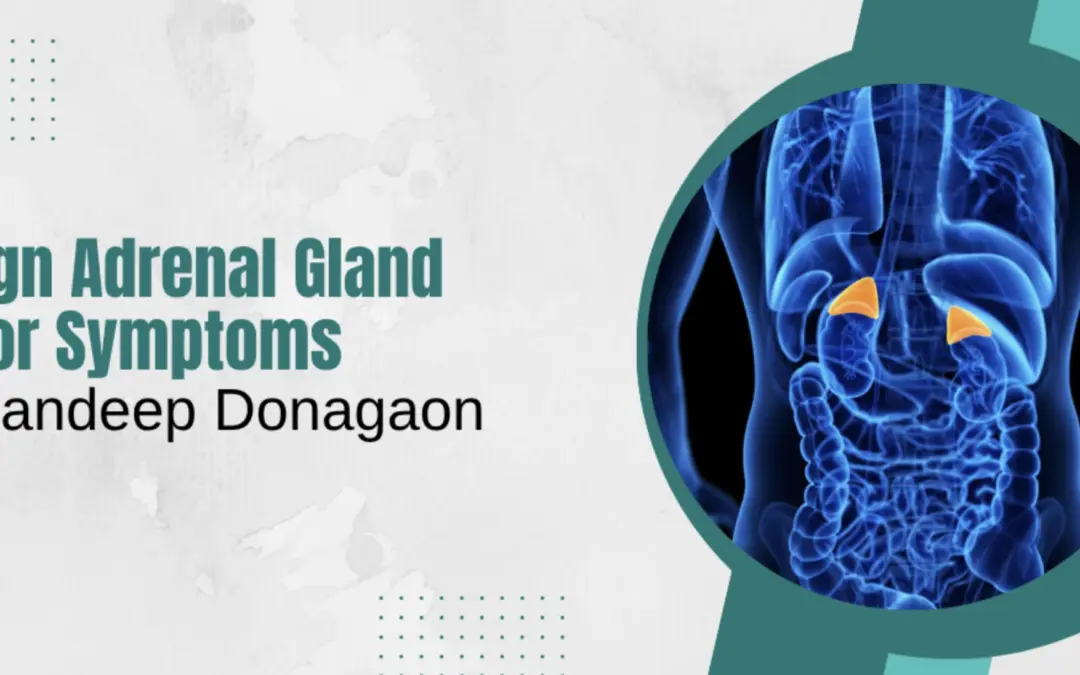
The adrenal glands are two small but powerful organs that sit on top of each kidney. They produce vital hormones such as adrenaline, cortisol, and aldosterone, which regulate blood pressure, metabolism, stress response, and electrolyte balance. When a non-cancerous growth develops on these glands, it is known as a benign adrenal gland tumor. While the word “tumor” sounds alarming, benign tumors are not cancerous. However, they can still disrupt normal hormone production and cause a wide range of symptoms that significantly affect quality of life.
Understanding benign adrenal gland tumor symptoms is essential for early detection and timely treatment. Many people remain unaware that a small growth on the adrenal gland could be responsible for their persistent fatigue, high blood pressure, or unexplained weight changes.
According to Dr. Sandeep Donagaon, a leading endocrinologist in Hubli Dharwad:
“Benign adrenal tumors are more common than people think, and many cases go undiagnosed for years. Recognizing the early symptoms and seeking an expert evaluation can make a significant difference in managing these conditions effectively.”
At Dr. Sandeep’s Superspeciality Centre, patients receive comprehensive endocrine care, including advanced evaluation and personalized management of adrenal gland disorders.
What Is a Benign Adrenal Gland Tumor?
A benign adrenal gland tumor is a non-malignant growth that forms within the adrenal gland. These tumors are classified based on their location and whether they produce excess hormones. The two main types are:
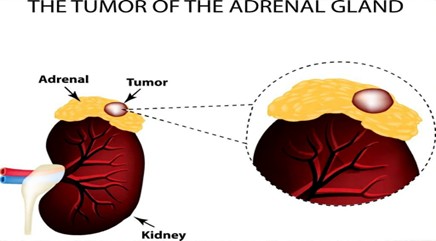
Adenomas: The most common type, often discovered incidentally during imaging for unrelated conditions. They may or may not secrete hormones.
Pheochromocytomas: Tumors that arise from the adrenal medulla and typically produce excess adrenaline-like hormones, leading to episodic high blood pressure, sweating, and palpitations.
Adrenocortical Adenomas: These arise from the outer layer of the adrenal gland and may overproduce cortisol or aldosterone, causing specific hormonal syndromes.
Not all benign adrenal tumors produce symptoms. Those that do are called “functional” tumors, while those that do not are referred to as “non-functional.”
Common Benign Adrenal Gland Tumor Symptoms
The symptoms of a benign adrenal gland tumor depend largely on whether the tumor is functional and which hormone it overproduces. Here are the most frequently reported symptoms:
1. High Blood Pressure (Hypertension)
2. Unexplained Weight Gain
For more details on how hormonal imbalances contribute to weight changes, Dr. Sandeep Donagaon’s clinic offers specialized hormonal evaluations.
3. Fatigue and Muscle Weakness
4. Excessive Sweating and Palpitations
5. Blood Sugar Abnormalities
Elevated cortisol interferes with insulin function, which can result in impaired glucose regulation. Some patients with adrenal tumors are first diagnosed with diabetes before the underlying adrenal cause is discovered.
6. Low Potassium Levels (Hypokalemia)
7. Mood and Psychological Changes
8. Skin Changes
How Are Benign Adrenal Tumors Diagnosed?
Diagnosis involves a combination of clinical evaluation, laboratory tests, and imaging studies.
Blood and Urine Tests: These measure hormone levels such as cortisol, aldosterone, adrenaline (catecholamines), and potassium to identify overproduction.
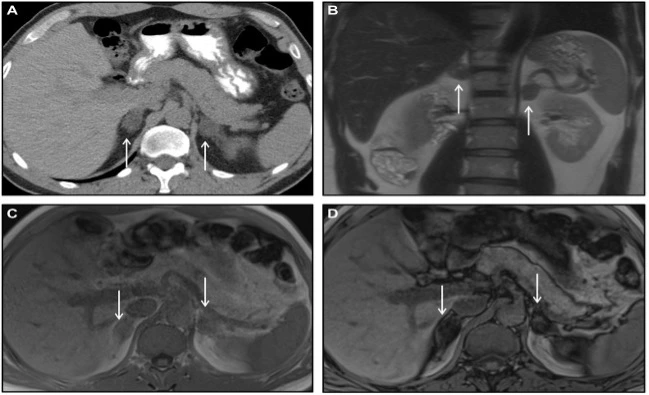
CT Scan or MRI: High-resolution imaging helps visualize the size, shape, and characteristics of the adrenal gland growth.
Adrenal Vein Sampling: In cases of aldosterone excess, this specialized test determines which adrenal gland is overproducing the hormone.
Dexamethasone Suppression Test: Used to evaluate cortisol overproduction in suspected Cushing’s syndrome.
Treatment Options for Benign Adrenal Gland Tumors
Treatment depends on the type, size, and hormonal activity of the tumor.
Surgical Removal (Adrenalectomy):
For functional tumors that are causing significant symptoms, surgical removal of the affected adrenal gland is often recommended. Laparoscopic (minimally invasive) adrenalectomy is the preferred technique and offers faster recovery.
Some patients may be managed with medications that block the effects of excess hormones. For example, spironolactone is used for aldosterone excess, while alpha and beta blockers are used before surgery in pheochromocytoma cases.
Active Surveillance:
Small, non-functional adrenal tumors (incidentalomas) may be monitored over time with periodic imaging and hormone tests if they do not pose immediate health risks.
Managing blood pressure through diet, physical activity, and stress reduction is important alongside medical or surgical treatment. Patients managing associated conditions like obesity and metabolic syndrome may also benefit from structured weight management programs.
When to See a Doctor
You should seek medical evaluation if you experience:
- Persistent high blood pressure that does not respond well to treatment
- Sudden episodes of sweating, palpitations, or severe headaches
- Unexplained weight gain concentrated around the abdomen or face
- Ongoing fatigue, muscle weakness, or mood disturbances
- Low potassium detected on a blood test
- Incidental finding of an adrenal mass on a CT or MRI scan done for another reason
These symptoms, especially in combination, warrant prompt hormonal evaluation by an endocrinologist.
Conclusion
Benign adrenal gland tumors are more prevalent than commonly recognized. While they are not cancerous, their impact on the body’s hormonal balance can lead to serious complications if left unaddressed. Recognizing benign adrenal gland tumor symptoms early and seeking specialist care is the key to effective management and a healthier life.
Dr. Sandeep Donagaon, with his expertise in endocrinology and metabolic disorders, provides comprehensive care for patients with adrenal gland conditions. His patient-centered approach ensures accurate diagnosis and tailored treatment strategies that prioritize long-term wellbeing.
Frequently Asked Questions
Can a benign adrenal tumor cause symptoms?
Are benign adrenal tumors dangerous?
How are benign adrenal tumors detected?
Is surgery always required for a benign adrenal tumor?
Who is the best doctor for adrenal gland disorders in Hubli Dharwad?
Reference Links:
https://my.clevelandclinic.org/health/diseases/22437-adrenal-adenoma
Disclaimer: The information shared in this content is for educational purposes and not for promotional use.